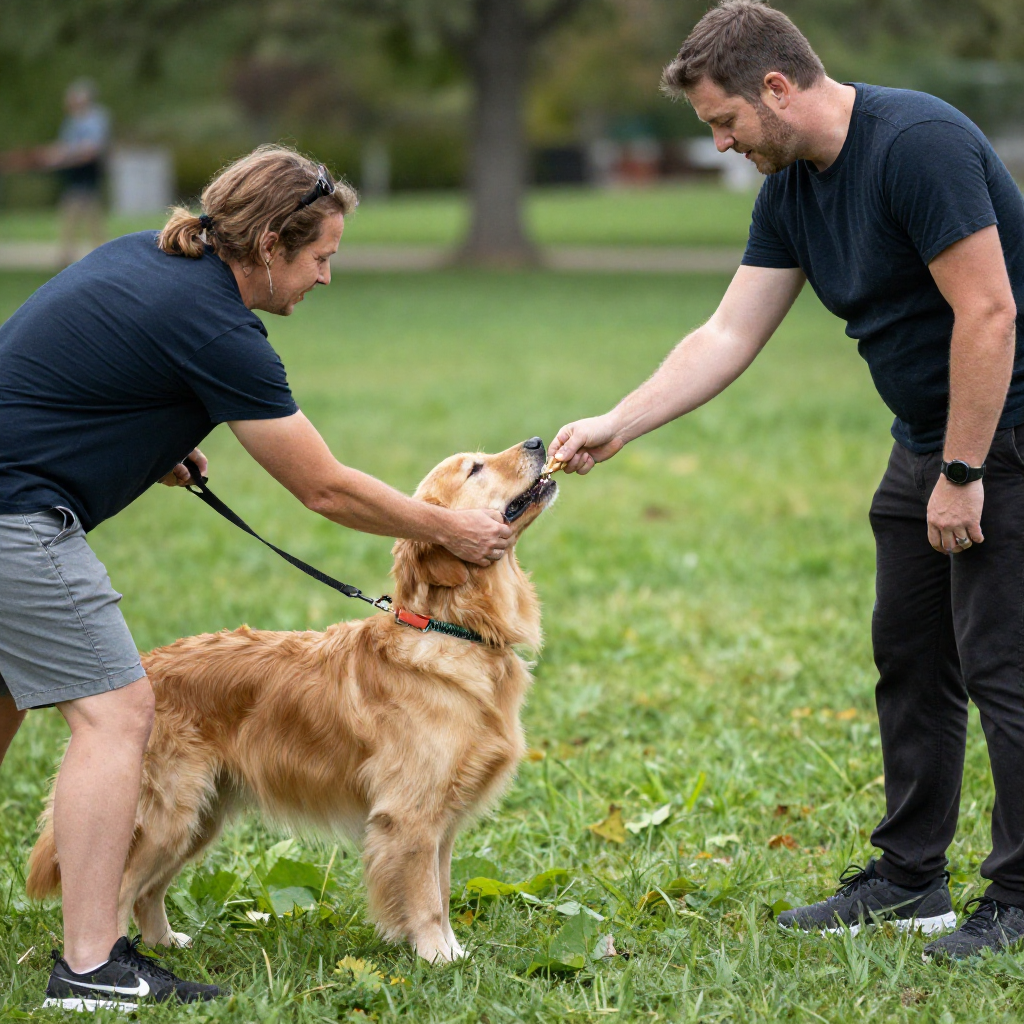
Every dog has a unique personality, learning style, and life experience. That is why personalized canine training has become one of the most effective ways to help dogs develop reliable behaviors while strengthening the relationship they share with their owners. Rob’s Dog Training recognizes that instead of relying on generic methods, individualized training should consider each dog’s temperament, age, breed tendencies, environment, and specific behavioral goals.
Whether welcoming a new puppy, helping an adopted rescue settle into a home, or addressing unwanted habits in an adult dog, a customized approach creates a learning experience that fits both the dog and the family. Training becomes more than teaching commands. It becomes a process of building trust, communication, and confidence that supports long-term success.
Why Every Dog Learns Differently
Dogs may share common instincts, but no two dogs respond to training in the same way. Genetics, early socialization, previous experiences, health, and daily routines all influence how quickly a dog learns and how it reacts to different situations.
A training plan that works perfectly for one dog may not produce the same results for another. For example:
- A confident puppy may eagerly explore new environments.
- A shy rescue dog may require slower introductions and confidence-building exercises.
- A highly energetic working breed may need more mental stimulation than a companion breed.
- Senior dogs often benefit from shorter, more frequent training sessions.
Recognizing these differences allows training to focus on what motivates each dog while reducing unnecessary stress and frustration.
How Personalized Canine Training Builds Better Communication
Successful training is built on communication rather than control. Dogs learn through consistent experiences, timing, repetition, and clear expectations. Individualized instruction helps owners understand how their dog communicates through body language, posture, vocalizations, and behavior.
Instead of simply correcting unwanted actions, customized training teaches owners how to:
- Recognize signs of stress or excitement
- Reward desired behaviors at the right moment
- Create predictable routines
- Improve focus around distractions
- Encourage calm decision-making
As communication improves, dogs become more confident because they better understand what is expected of them.
Building Strong Foundations Before Solving Problems
Many behavioral challenges develop because foundational skills were never fully established. Personalized training begins by strengthening everyday behaviors that make learning easier.
These core skills often include:
- Name recognition
- Reliable recall
- Sit and down
- Loose-leash walking
- Stay
- Leave it
- Settle on a mat
- Polite greetings
- Waiting at doors
- Focus around distractions
Once these basics become reliable, more complex behavioral challenges become easier to address.
Addressing Individual Behavioral Challenges
Behavior concerns rarely have a single cause. Similar behaviors may develop for completely different reasons.
For example, excessive barking might result from:
- Fear
- Excitement
- Boredom
- Territorial behavior
- Separation concerns
- Lack of mental stimulation
Likewise, leash pulling may stem from enthusiasm rather than stubbornness.
Personalized training identifies the underlying reasons behind a behavior before selecting techniques that encourage more appropriate responses.
Common training goals include:
Improving Leash Manners
Walking calmly creates safer, more enjoyable outings. Individualized plans help dogs learn to maintain attention, reduce pulling, and respond consistently in changing environments.
Reducing Jumping
Dogs often jump because they are excited to greet people. Training teaches alternative greeting behaviors that earn attention while helping owners reinforce consistency.
Managing Reactivity
Dogs that bark, lunge, or overreact toward people, dogs, or unfamiliar situations benefit from gradual exposure combined with positive learning experiences that increase confidence.
Developing Better Recall
Reliable recall gives owners greater confidence while providing dogs with more freedom during appropriate activities.
Building Confidence
Fearful dogs often improve through carefully structured experiences that encourage curiosity while preventing overwhelming situations.
Positive Reinforcement Creates Long-Term Learning
Modern dog training emphasizes rewarding behaviors owners want to see repeated. Positive reinforcement helps dogs associate learning with successful experiences instead of fear or punishment.
Rewards may include:
- Food treats
- Toys
- Praise
- Play
- Access to favorite activities
- Environmental rewards such as being allowed to continue a walk
Motivation varies between dogs, making personalized reward selection an important part of individualized training.
When desired behaviors consistently produce positive outcomes, dogs naturally become more willing to repeat them.
The Importance of Consistency at Home
Training sessions alone do not create lasting habits. Dogs learn through repetition during everyday life.
Owners play a critical role by reinforcing behaviors consistently across different situations.
Simple daily opportunities include:
- Asking for a sit before meals.
- Waiting calmly before opening doors.
- Rewarding loose-leash walking.
- Practicing recall during play.
- Reinforcing calm behavior when visitors arrive.
Short practice sessions throughout the day often produce better long-term results than occasional lengthy sessions.
Adapting Training Through Every Life Stage
Dogs continue learning throughout their lives. Personalized training evolves as needs change.
Puppies
Early training emphasizes:
- Socialization
- House training
- Bite inhibition
- Confidence building
- Basic obedience
- Exposure to new environments
Adolescents
Teenage dogs often test boundaries while becoming more independent. Training focuses on consistency, impulse control, and maintaining previously learned skills.
Adult Dogs
Adult dogs frequently benefit from refining manners, improving reliability, and resolving behavioral concerns that have developed over time.
Senior Dogs
Older dogs may experience physical limitations or cognitive changes. Personalized programs adjust exercises to maintain engagement while supporting comfort and mobility.
Mental Enrichment Supports Better Behavior
Physical exercise alone does not satisfy every dog’s needs. Mental stimulation helps reduce boredom while encouraging problem-solving and confidence.
Examples include:
- Food puzzles
- Scent games
- Obedience practice
- Trick training
- Interactive toys
- Search-and-find activities
- Controlled exploration during walks
Combining physical activity with mental challenges often improves focus and reduces unwanted behaviors caused by excess energy.
The Owner’s Role in Successful Training
The most effective training teaches both dogs and their owners. Understanding why behaviors occur helps families make better decisions during everyday interactions.
Owners learn to:
- Read body language
- Improve timing of rewards
- Prevent accidental reinforcement of unwanted behaviors
- Maintain consistency
- Set realistic expectations
- Build confidence during new situations
When owners understand the learning process, progress continues long after formal sessions have ended.
Realistic Expectations Lead to Lasting Results
Behavior change requires patience and consistency. Dogs learn at different speeds depending on age, previous experiences, motivation, and individual temperament.
Owners who celebrate small improvements often see stronger long-term success than those expecting immediate perfection.
Progress may include:
- Walking calmly for longer distances
- Responding more reliably to cues
- Recovering more quickly from distractions
- Remaining relaxed around visitors
- Showing greater confidence in unfamiliar environments
These gradual improvements build toward lasting behavioral change.
Creating a Stronger Human-Canine Partnership
Personalized training extends beyond teaching obedience commands. It creates opportunities for meaningful communication that improves everyday life for both dogs and their families.
As trust develops, dogs become more confident making good decisions, while owners gain a deeper understanding of how to guide behavior positively.
This stronger partnership contributes to:
- Safer interactions
- Reduced stress
- Better communication
- Increased confidence
- More enjoyable outings
- Stronger lifelong companionship
Choosing the Right Training Approach
When selecting a training program, owners should look for an approach that values individualized instruction rather than one-size-fits-all methods.
A quality personalized program typically includes:
- Initial behavioral assessment
- Clearly defined training goals
- Positive reinforcement techniques
- Practical real-world exercises
- Owner education
- Ongoing progress evaluation
- Flexible adjustments based on results
Training should fit naturally into everyday life so that newly learned behaviors become lasting habits instead of temporary improvements.
Final Thoughts
Every dog has the ability to learn when training matches individual needs, motivation, and personality. Rob’s Dog Training believes that personalized canine training provides a structured yet flexible approach that supports better communication, stronger relationships, and dependable behavior in real-life situations.
By focusing on each dog’s unique strengths while helping owners develop consistent training habits, individualized programs create meaningful progress that lasts well beyond formal lessons. Dogs gain confidence, owners gain understanding, and together they build the foundation for a happier, more rewarding life.